A Center For Grieving Children, Teens and their Families.
OUR STORY
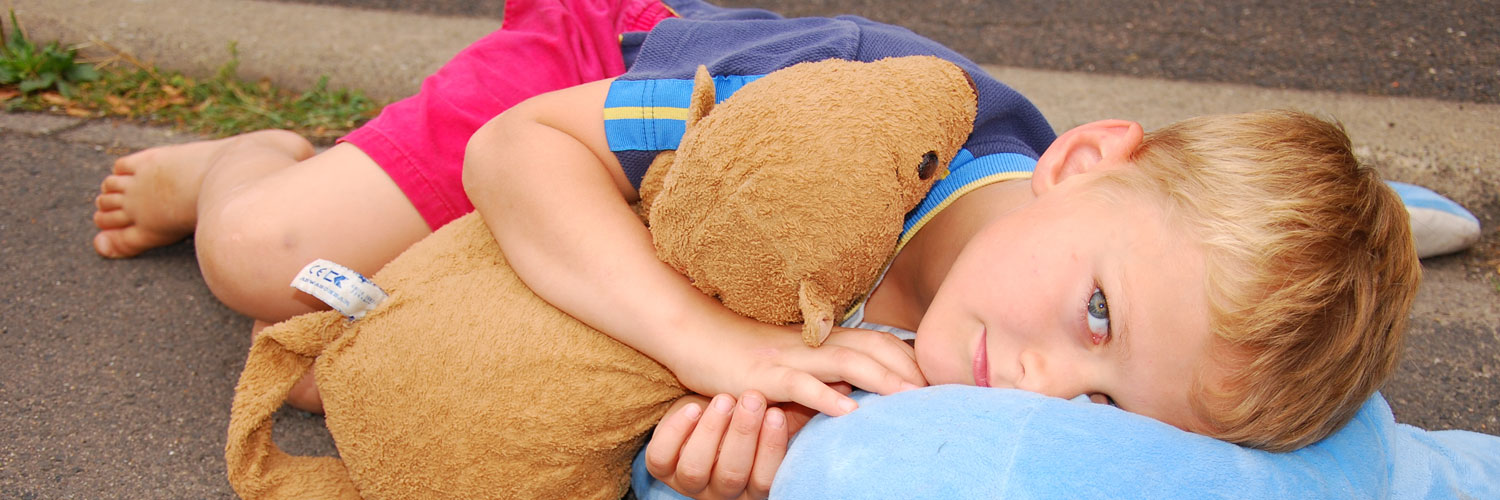
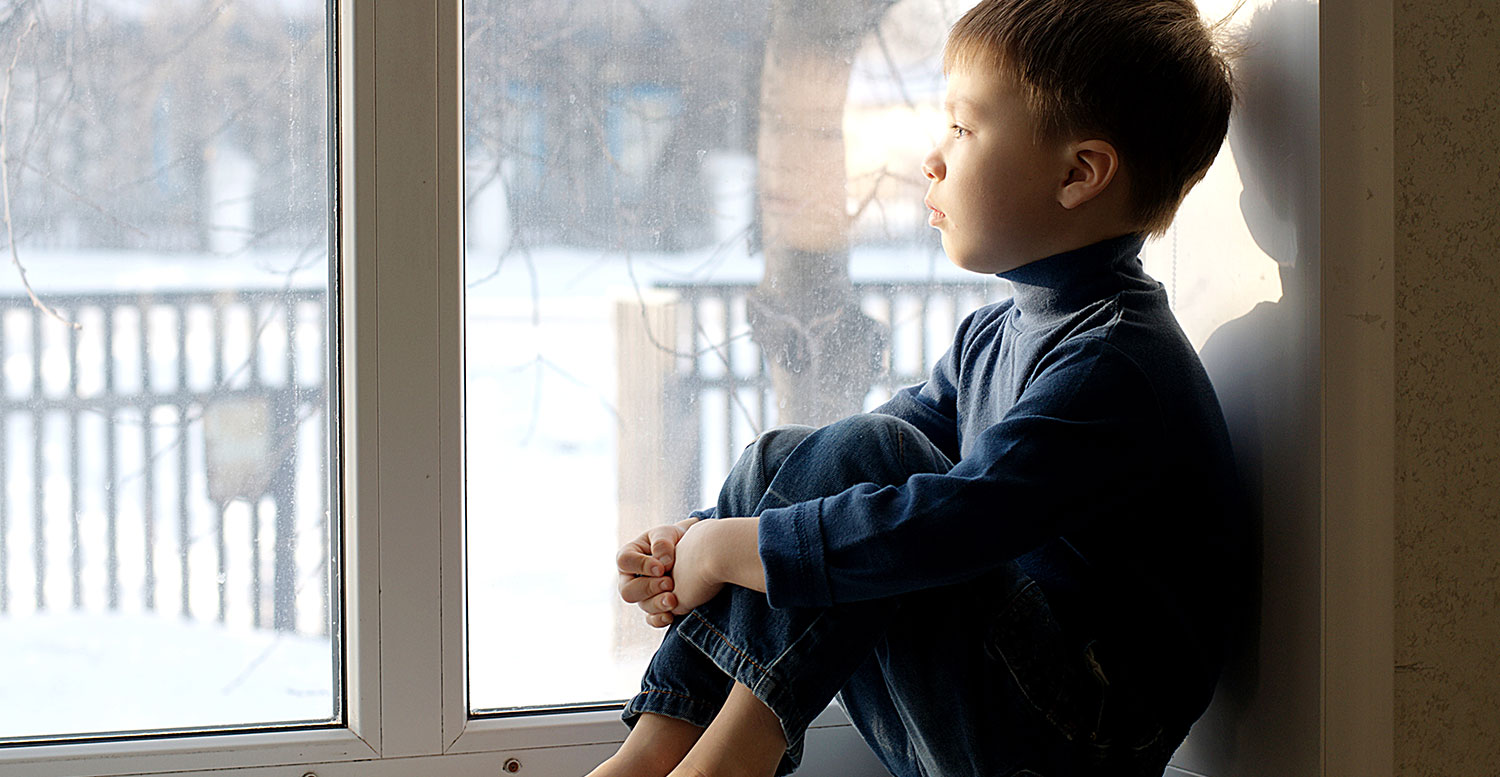
The death of a loved one often leaves families feeling overwhelmed, not only with their grief, but also with the day-to-day activities in their lives. Struggling with their own feelings of grief, it is often difficult for the surviving parent to help their child cope with death, leaving the child to face their feelings of loss and pain alone.
At Common Ground, we provide open-ended peer support groups for children ages 6-18 as well as a young adult support group for ages 19-30 for those who have experienced the death of a parent, sibling, or primary caretaker. We know that a safe, caring environment along with being in the presence of other children who have experienced similar losses helps them to feel less alone in their grief and more understood. This, in turn, fosters the healing process.
FAQs
What Is Your Program For Children and Teens?
We provide peer support groups for children and teens ages 6-18 who have experienced the death of a parent, sibling or primary caretaker. We also offer a young adult support group for ages 19-30 who have experienced the death of a parent, sibling or primary caretaker. We also offer a young adult support group for ages 19-30. We provide no private therapy or counseling. Participants of the program meet others who have experienced similar losses because of illness, accident, suicide or homicide. Children and teens are grouped together according to age and meet every other week for 90 minutes. Children participate in “talking circle” time and also have opportunities to process grief through art, play, sandplay, and games, which all assist in helping them cope with their grief. Adult groups for the surviving parent/primary caregiver meet at the same time the children meet. All groups are facilitated by trained volunteers and coordinated by the professional staff at Common Ground.
How Much Does It Cost?
Common Ground does not charge a fee for its services. Because the Center is a nonprofit organization, we rely on contributions from individuals, corporations, and foundations. We invite families to make a tax-deductible contribution.
Is There a Long Waiting List?
No. We hold informational orientation sessions. Once a family has completed the orientation session and filled out the appropriate paperwork, they are offered an every-other week support group.
How Long After the Death Does a Family Need to Wait Before Calling?
A family may call and start the process as soon as they are ready. We believe each person and family grieves differently, therefore allowing the family to be the best judge of when they are ready to deal with the death in a support group.
WHO WE ARE
Common Ground's Mission
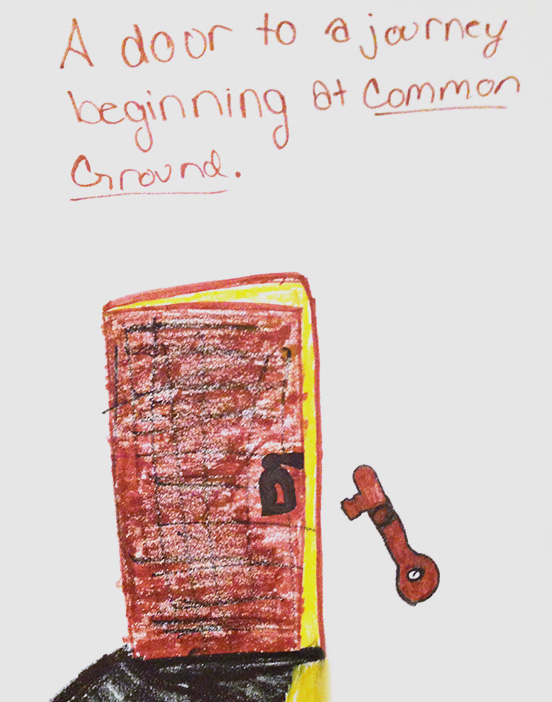
The mission of Common Ground is to provide support in a safe place where children, teens, young adults and their families grieving a death can come together and share their experiences as they begin the journey through the grief process.
NEWS & EVENTS
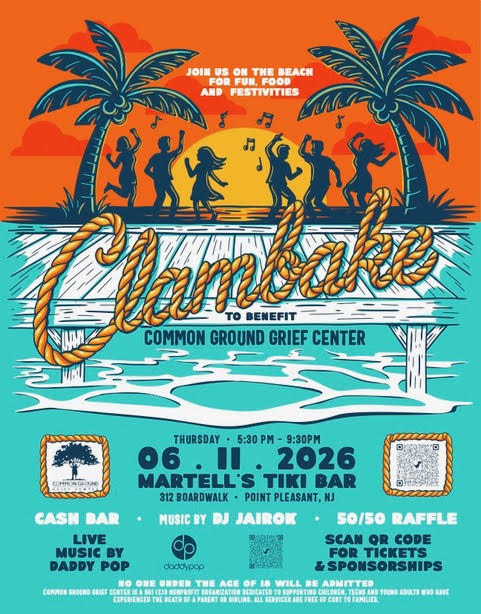
Don't Miss Our Annual Clambake Benefit
Join us at the beach this summer for fun, food, and festivities at our annual Common Ground Clam Bake Benefit at Martell’s Tike Bar in Point Pleasant on Thursday, June 11th. 5:30pm-9:30pm.
Resources
-
What Is Grief?
The fact is, when someone important dies in a child or teen’s life, they experience grief. Grief is a natural reaction to loss and includes a plethora of feelings and reactions. Just as all human beings are unique, so is their grief.
-
Supporting the Grieving Teen
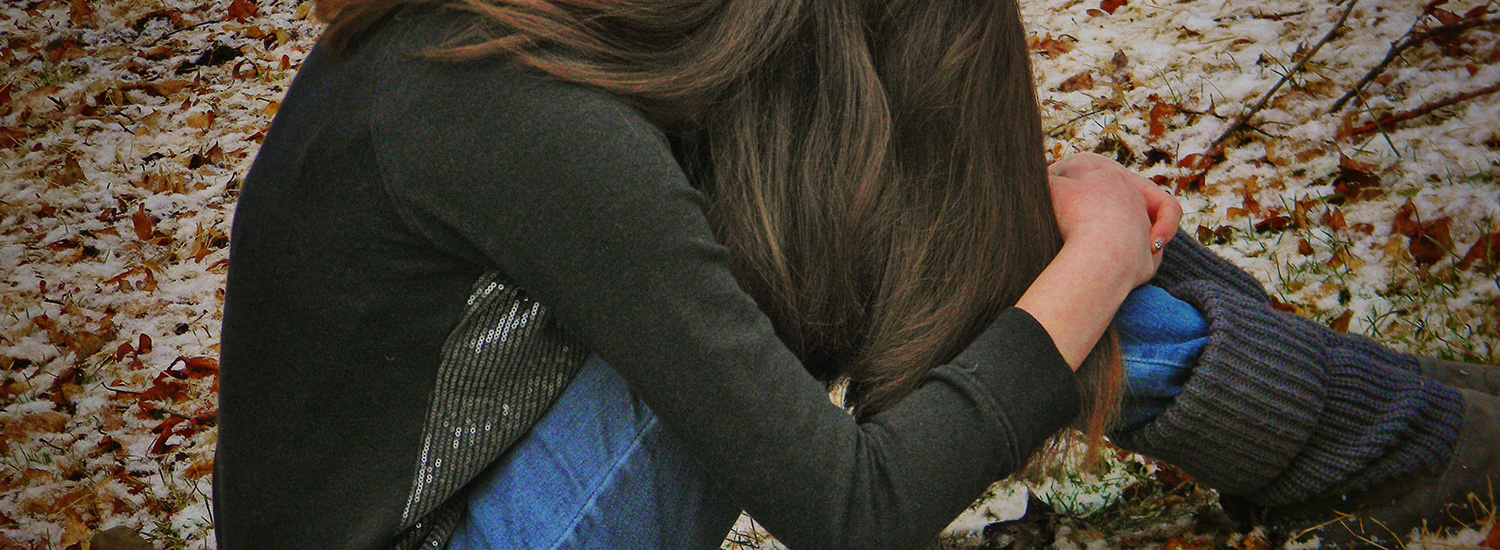
As most parents know, adolescence is a time of change. It makes sense then, that a teen’s grief looks different than that of an adult’s or a child’s. Oftentimes, a teen’s grief will be internalized or hidden.
-
Talking to Kids About Tragic Events
Identifying with the senselessness and randomness makes us all feel more vulnerable. But we should remember that children don’t always see things the same way that adults do, and it won’t be helpful to them for us to fall apart.
-
Grandparents Raising Grandchildren Toolkit
The death of a child is contrary to what most of us expect in life. We typically expect to outlive our children and for them to be alive through our grandchildren’s youth.
-
Supporting The Grieving Child
Each child’s response to grief is unique, therefore, respect and accept their different grieving styles. Expect a wide range of emotions such as mad, sad, shocked and glad, to name a few.
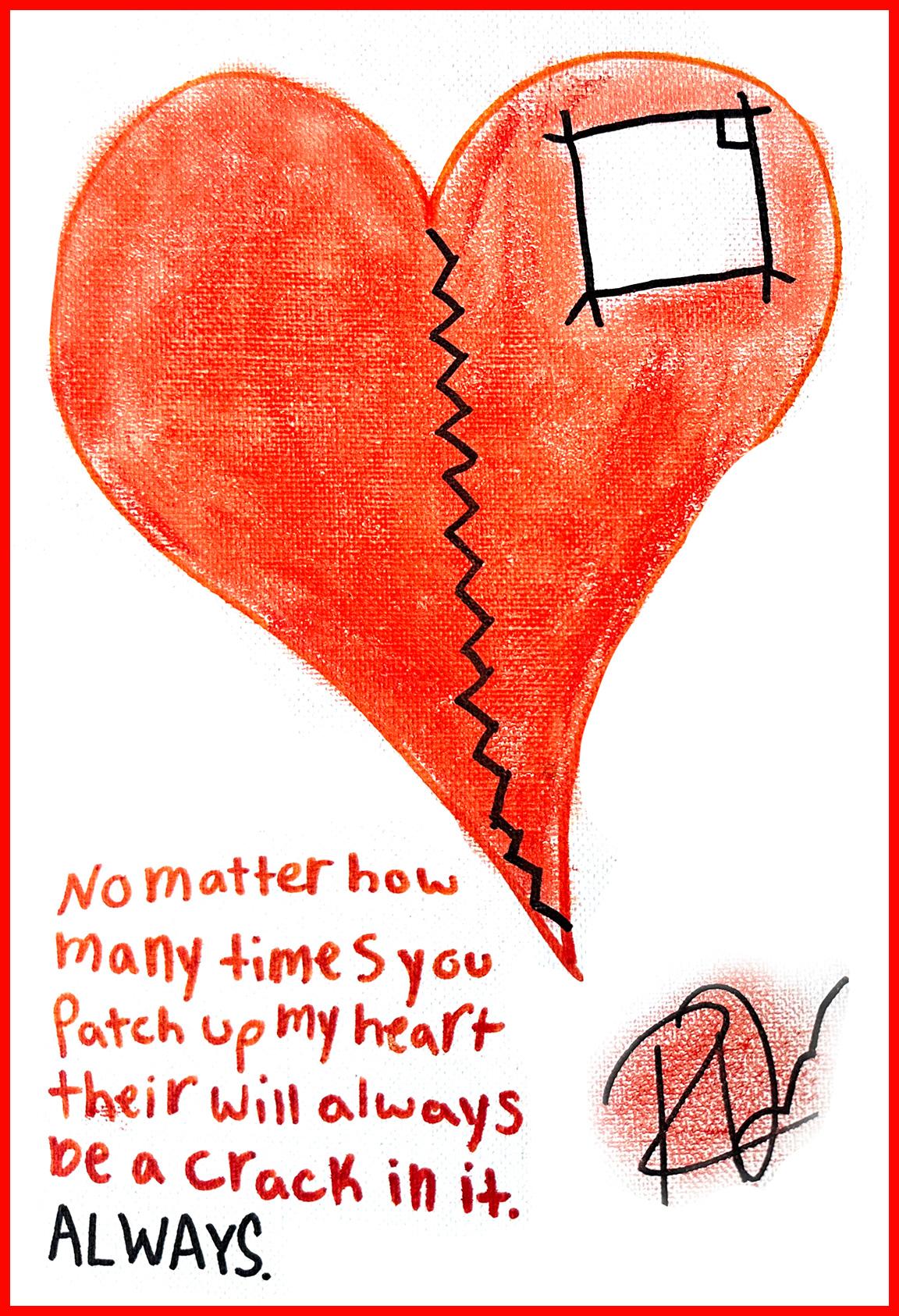
Any individual, corporation, foundation or community organization that invests financially in supporting Common Ground Grief Center is in essence, directly supporting the emotional well-being (both present and future) of every grieving child and teenager that we serve. Children, teens and their family members walk through our doors “broken.” I know this because I sit across from each and every one of them for an initial orientation before they begin one of our support groups. What I see happen months (or more often, years) later, is a transformation of and adjustment to a “new normal” that is sprinkled with hope. What we give families is love, compassionate listening, a sense of community, and a place where they can be with others who truly “get it” in a non-judgmental safe place. This, is the cornerstone of healing. We are also investing in the emotional health of the children and teens so they can grow into well-adjusted adults. We know that the death of a parent is a monumental adverse childhood experience and that if emotions are left unattended, they can lead to depression, anxiety, behavioral issues and substance use issues into adulthood. So what we provide at Common Ground, in addition to the aforementioned, is the hope of preventing these issues.
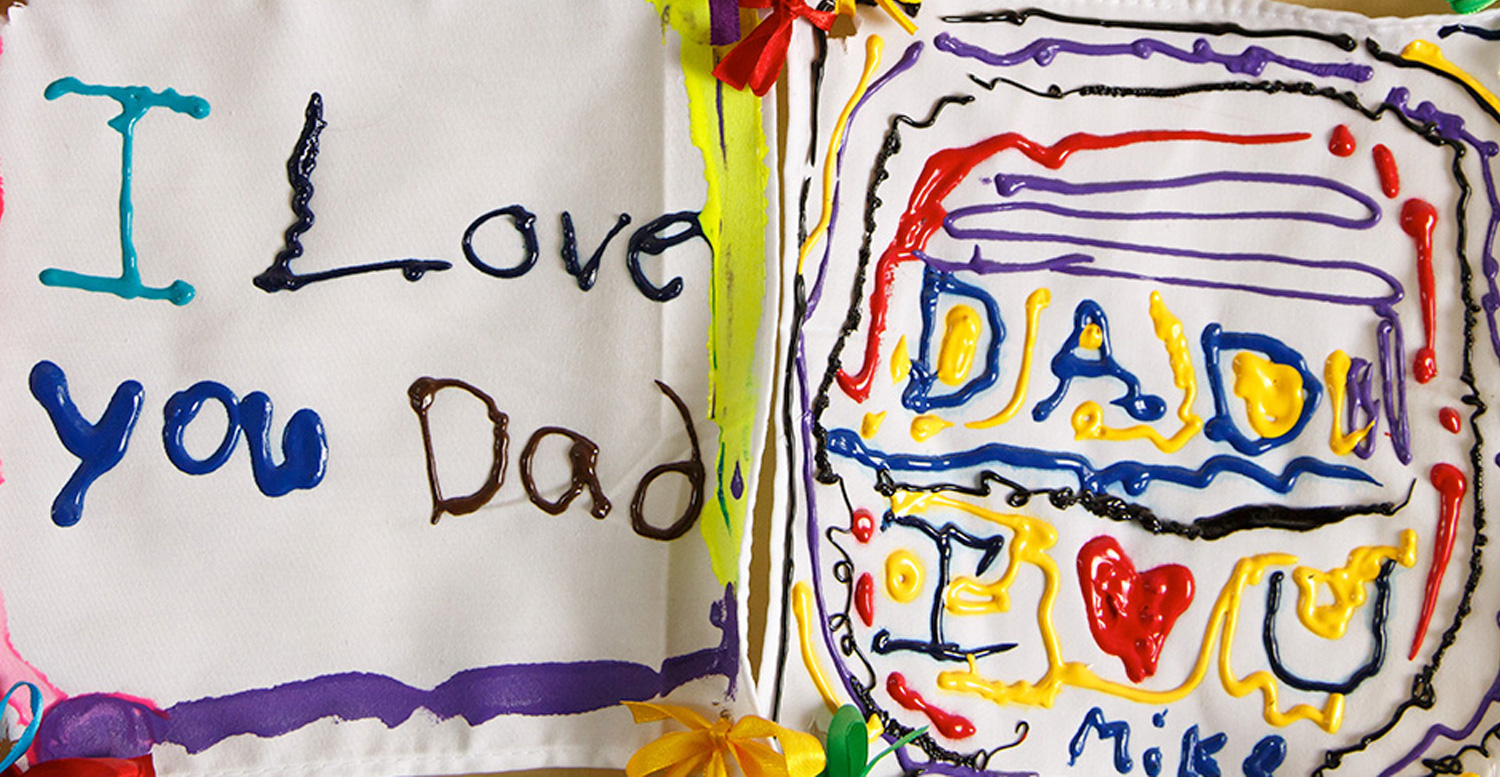
All this cannot be accomplished without the financial support of the very community who literally helps to keep our doors open. You see, we have no means of income other than those who believe in and invest in our mission. Those who invest in the mission are investing in the training of new volunteers (we are a mostly volunteer-led organization), art supplies to help children express their big emotions, special projects that assist with helping kids and teens never forget the memory of their person, and the leadership it takes to run such an organization.
Our organization never closed during the pandemic except for when we were literally forced to shut down for 3 months. Afterward, we surveyed our families and they told us they wanted and needed to come back to their little home in Manasquan. We found a way to do so in a safe manner and with little incident. We remained one of the only centers in the country who decided to take this bold step in staying open. We provided all in-person groups; no virtual groups. We kept going, with the amazing dedication and compassion of our volunteers. And sadly, we have seen the result of the pandemic as it takes the form of increased depression and anxiety on the children and teenagers. But, we keep going. We have seen a large increase in the need for our services. Our groups are way too large, but how do you turn away a child or teen who is sitting in their darkest of times? So, we manage in our over-crowded groups, the kids not seeming to mind. They’re together, and that’s what they care about. The power of connection for those hurting is profound. We love what we do and are honored and humbled to witness healing in the face of
insurmountable pain.
—
Lynn Snyder, LPC, ATR-BC, FT
Founding Director